
OCD Therapy in Denver & Englewood, Colorado
Specialized treatment for intrusive thoughts, compulsions, and the need for certainty
At Vivid Psychology Group, our clinicians specialize in treating OCD using Exposure and Response Prevention (ERP)—a practical, evidence-based approach that helps you spend less time responding to fear and more time living your life.
In-person therapy in Englewood • Online therapy throughout Colorado
Treatment for adults, teens, children, and parents
Talk with our team about what you’re experiencing, ask questions, and find out whether VPG is a good fit.

How do I know if I have OCD?
Obsessive-compulsive disorder (OCD) involves 2 parts: obsessions and compulsions.
Obsessions
Obsessions are recurring unwanted thoughts, images, urges, doubts, or sensations that cause distress or uncertainty. They can center on harm, contamination, relationships, morality, health, or sexual intrusive thoughts.
Compulsions
Compulsions are repeated actions or mental behaviors a person feels driven to do in response. That might look like checking, washing, seeking reassurance, mentally reviewing an event, or trying to work out what a thought means. When most compulsions happen in your head, it’s sometimes called Pure O.
Compulsions can bring temporary relief, but the cycle often returns. OCD treatment helps you change how you respond to that cycle.
Types of OCD
Harm OCD
Unwanted thoughts or fears about hurting yourself or someone else, often followed by checking, avoidance, or attempts to prove you are safe.
Relationship OCD
Persistent doubts about a relationship, partner, or feelings, often accompanied by checking, comparing, analyzing, or seeking reassurance.
Sexual intrusive thoughts and OCD
Distressing, unwanted sexual thoughts or questions about their meaning. These experiences can be difficult to talk about, and our clinicians discuss them without judgment.
Scrupulosity and moral OCD
Fears about sinning, being immoral, offending others, or making the “wrong” choice, often accompanied by confession, reassurance seeking, or mental review.
Contamination OCD
Fears about germs, illness, chemicals, or feeling contaminated, sometimes leading to washing, cleaning, avoidance, or reassurance seeking.
“Just right” OCD and perfectionism
A persistent sense that something is incomplete, uneven, or wrong, creating pressure to repeat, arrange, check, or start over.
Checking and responsibility OCD
Repeatedly checking locks, appliances, messages, memories, or decisions because of a fear that you may have made a mistake or caused harm.
Pure O and mental compulsions
OCD that may be less visible to others, with compulsions such as analyzing, reviewing memories, silently repeating phrases, researching, or seeking certainty.
You don’t need to know which label fits before reaching out. OCD themes can overlap and change over time. We’ll help you understand what’s happening and develop a treatment plan around your needs.
Learn more about sexual intrusive thoughts and OCD or Pure O and mental compulsions.
What does OCD therapy look like at VPG?
-
We understand your OCD.
We learn about the thoughts, fears, compulsions, avoidance, and situations affecting your life.
-
We build a plan together.
Your therapist explains the OCD cycle and helps you identify goals. You don’t need to figure everything out before your first appointment.
-
We practice responding differently.
Using ERP, you and your therapist gradually approach situations, thoughts, or uncertainty that OCD wants you to avoid, while practicing a different response to compulsions.
-
We apply the work to real life.
Treatment may include practice between sessions, tailored to your goals. When appropriate, we also incorporate ACT and work with family members.
Will I be forced to face my worst fear right away?
No. ERP is collaborative. You and your therapist decide what to work on and build a plan together. The work can be challenging, but it should be purposeful, supported, and tailored to you.

OCD treatment for children, teens, and families
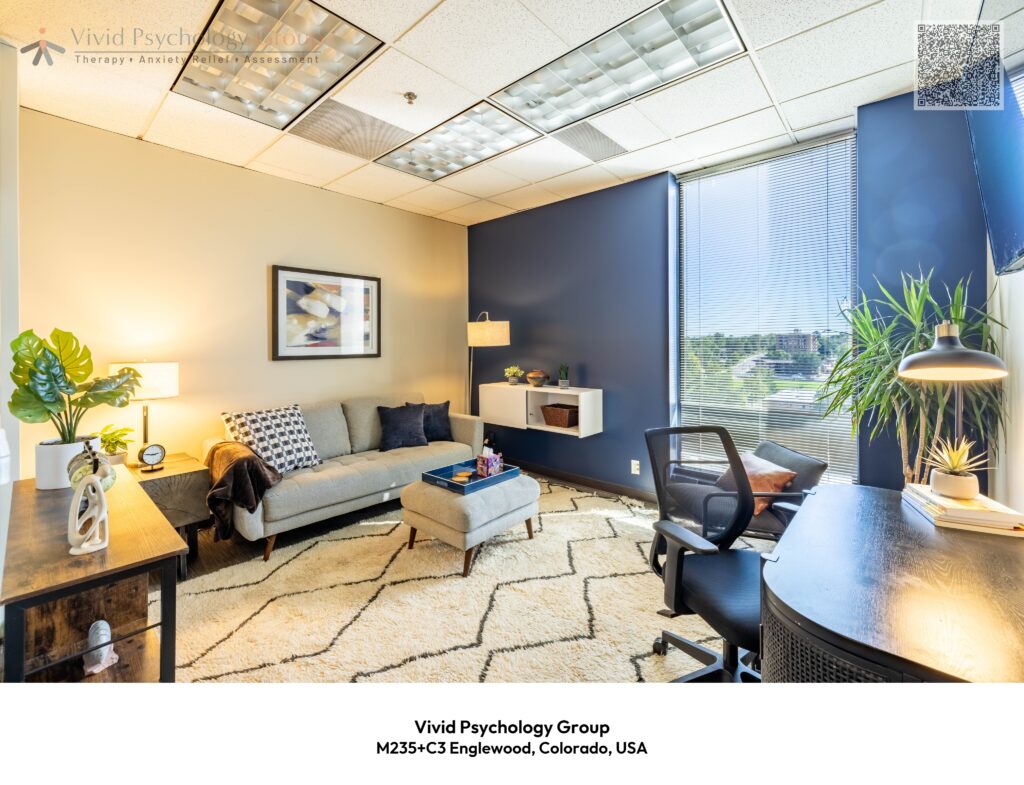
OCD can affect school, bedtime, friendships, family routines, and a child’s confidence. Our clinicians work with children and teens using developmentally appropriate OCD treatment, and we help parents understand how to support progress at home.
When appropriate, we also offer SPACE, a parent-based treatment that helps parents respond differently to anxiety and reduce patterns of accommodation. Parents can participate even when a child is not ready to engage in their own therapy.
OCD therapy fees and payment options
Therapy sessions typically range from $100 to $210, depending on the clinician and service. Sessions with Dr. Alex Littleton are $240.
We offer private-pay services and a separate Colorado Access Medicaid program for eligible clients. Our team can explain current availability, fees, and payment options when you contact us.

Meet Our Team
OCD and anxiety are the center of our practice, and every clinician at Vivid Psychology Group is trained in Exposure and Response Prevention (ERP).
Get to know our clinicians and find support that fits your needs.


Dr. Jamal Waire, PsyD

Dr. Hannah Skiest, PsyD

Dr. Ryan Chong, PhD

Christine Harjo, MA

Devanshi Khetawat, MA
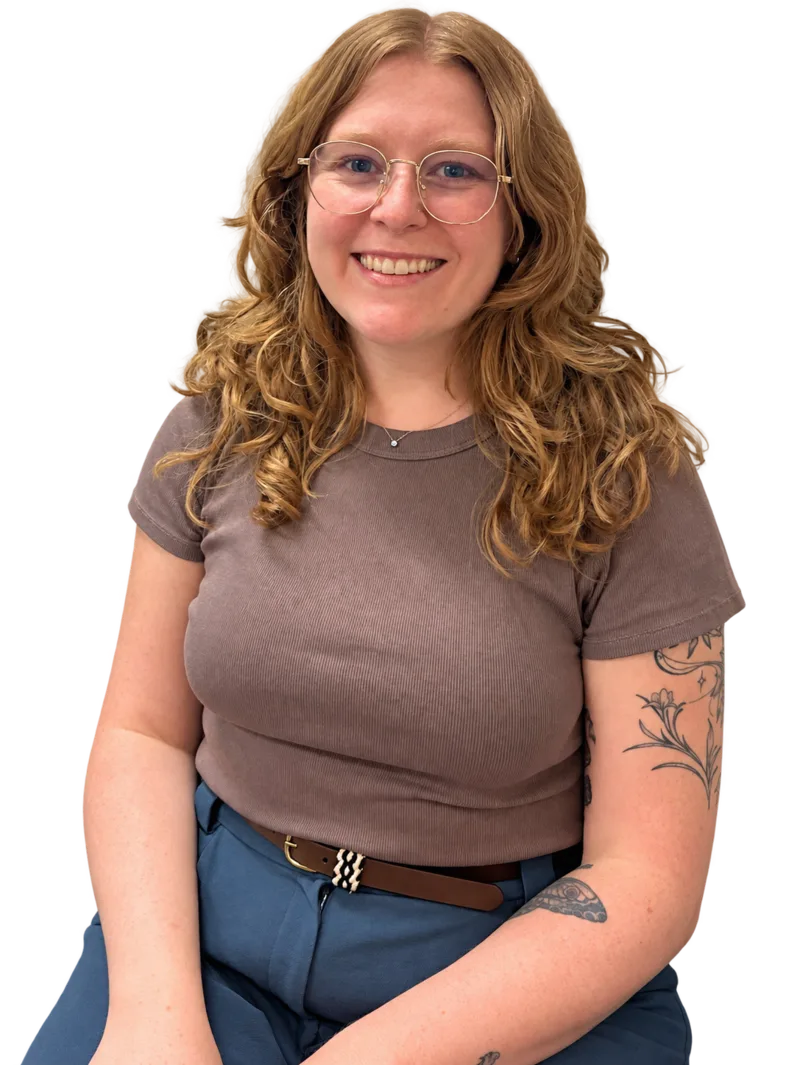
Dr. Hannah Coffey, PhD
Need more focused support?
Dr. Alex Littleton works with severe OCD and offers focused therapy intensives for people who may benefit from a more concentrated approach.
Frequently Asked Questions
How do I know if I need OCD treatment?
If unwanted thoughts, doubts, fears, or repetitive behaviors are taking up a lot of time, causing distress, or interfering with your relationships, work, school, or daily life, it may be helpful to talk with an OCD specialist. You don’t need to be certain you have OCD before reaching out. We can help you understand what you’re experiencing and discuss whether treatment at VPG is a good fit.
Can OCD involve intrusive thoughts without visible rituals?
Yes. OCD compulsions aren’t always visible. They can include mentally reviewing a memory, analyzing what a thought means, silently repeating phrases, researching, or seeking reassurance. This is sometimes called “Pure O,” although people with this presentation may still experience mental or less obvious compulsions. A clinician can help determine what’s contributing to these experiences.
Will I be forced to face my worst fear in ERP?
No. ERP is a collaborative treatment. You and your therapist will discuss your goals and develop a plan together, usually starting with challenges that feel manageable and building from there. The work can be uncomfortable at times, but you won’t be forced or tricked into an exposure.
Can you help if my child refuses to attend therapy?
Yes. When a child isn’t ready or willing to participate in therapy, parents can still take meaningful steps. SPACE is a parent-based treatment that helps caregivers respond supportively to anxiety and gradually reduce patterns of accommodation. We can talk with you about your family’s situation and whether SPACE or another approach may be a good fit.
How much does OCD therapy cost?
Therapy sessions typically range from $100 to $210, depending on the clinician and service. Sessions with Dr. Alex Littleton are $240. We also offer a separate Colorado Access Medicaid program for eligible clients. Our team can answer questions about fees and payment options and current availability when you contact us.
Do you offer online OCD therapy?
Yes. We offer online OCD therapy throughout Colorado, as well as in-person appointments at our Englewood office. Some clinicians may also be able to provide telehealth in other states, depending on their licensing and where you are located at the time of your appointment. Our team can help you determine what’s available.
Take the next step toward OCD support
Talk with our team about what you’re experiencing and find out whether VPG is a good fit.